At Sewa-Disha Foundation, we believe that trust is built on open communication. Whether you are planning to donate, eager to volunteer, or simply curious about our mission, we want you to have complete clarity. We have compiled a list of the most common questions from our community to help you understand how your contribution—be it time or money—creates a real difference.

Childhood is Not for Sale
Millions of children wake up to work instead of school. They are building our world, but losing their future. It’s time to break the chain.
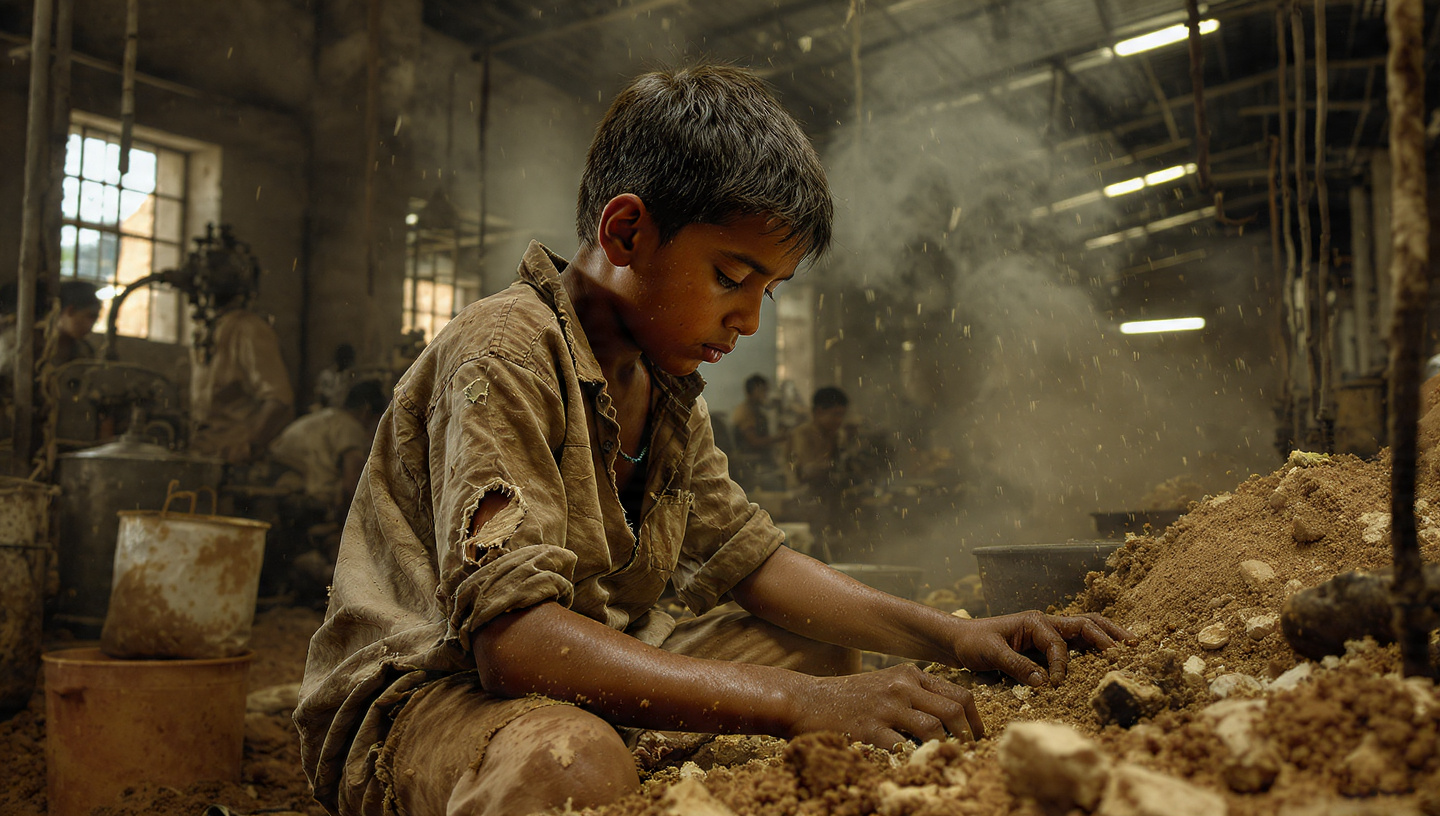
Child labour is not just about children working; it is about the deprivation of childhood. It strips them of their dignity, endangers their health, and blocks their access to education. From hazardous factories to domestic servitude, these children are forced to shoulder adult responsibilities with fragile bodies. At Sewa Disha Foundation, we believe that a child’s only job should be to learn and play.
Why It Happens , Understanding the Cycle
Child labour is rarely a choice; it is a consequence of deep-rooted systemic issues. To stop it, we must understand what drives it:
- Extreme Poverty When families struggle to survive, they are often forced to rely on their children’s income to put food on the table.
- Lack of Quality Education When schools are inaccessible, expensive, or poor in quality, parents often see work as a more viable option for their children.
- Social Norms In some communities, tradition dictates that children follow their parents' trade at a young age, perpetuating the cycle of illiteracy.
The Cost of Child Labour
The Invisible Price Tag When a child works, the cost is far higher than the wages they earn.
-
Physical Health Children work in hazardous environments—inhaling toxic fumes in factories, carrying heavy loads at construction sites, or handling dangerous chemicals in agriculture.
-
Mental Trauma Subjected to verbal abuse, isolation, and grueling hours, working children often suffer from severe anxiety, depression, and a loss of self-worth.
-
The Education Gap Every hour spent working is an hour lost learning. Child labour creates a generation of uneducated adults who cannot break the poverty trap, affecting the entire nation's economy.
Be the Voice for the Voiceless, Silence is consent.
If you see a child working, Educate your community. Make child labour socially unacceptable.


+91 9953355299
Need Help?
Not all work done by children is classified as child labour. Child Labour refers to work that deprives children of their childhood, their potential, and their dignity, and that is harmful to their physical and mental development. Specifically, it refers to work that is mentally, physically, socially, or morally dangerous and harmful to children, or interferes with their schooling.
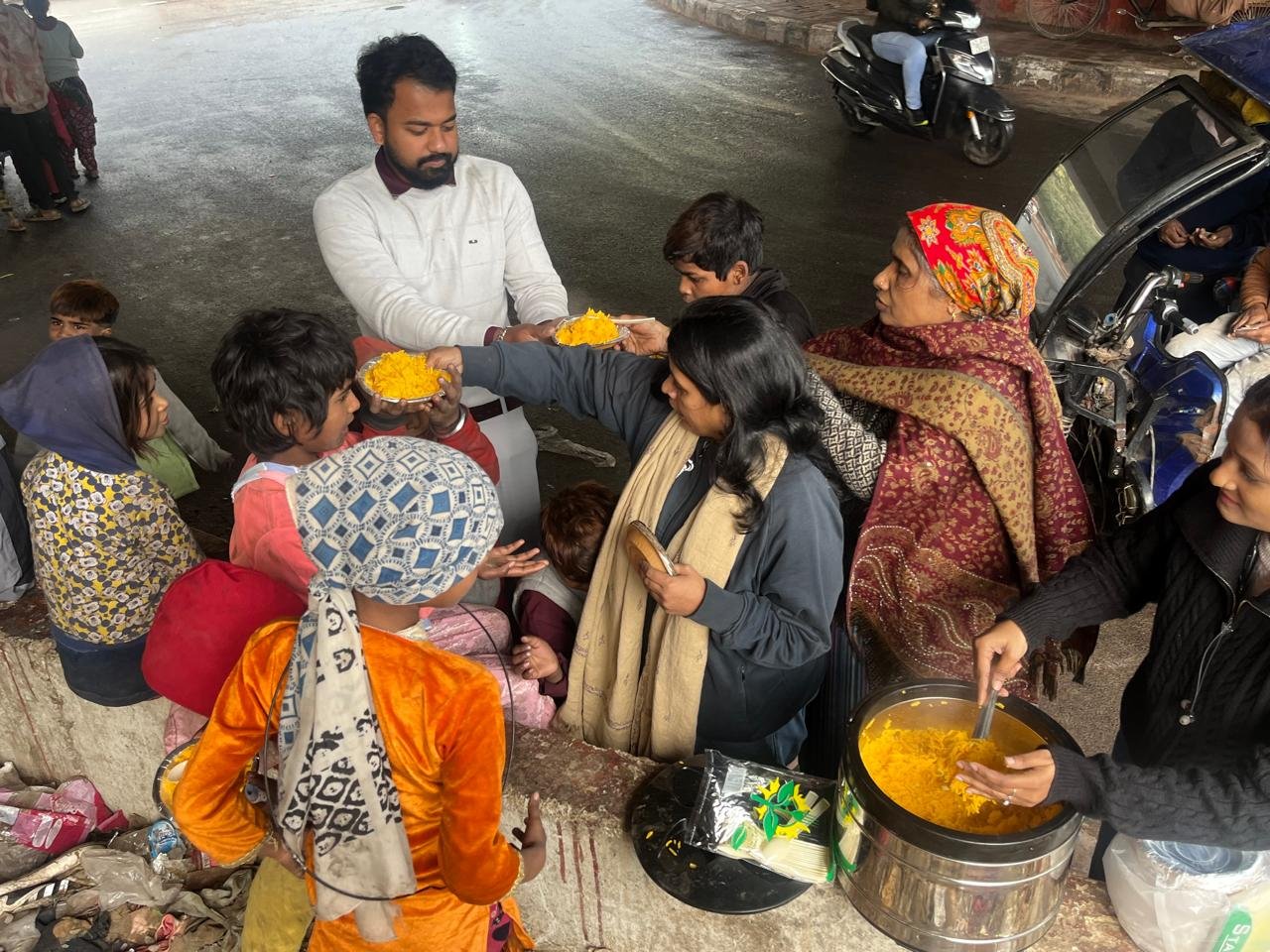
Rescue is just step one. At SewaDisha, we focus on Rehabilitation.
- Immediate Care Medical checkups, food, and safe shelter.
- Bridging Education Special classes to help them catch up on missed schooling.
- Mainstreaming Enrolling them in regular schools once they are ready.
- Legal Aid Helping them access government compensation schemes for rescued bond labourers.
Yes. Most countries have strict laws. For example, the Child and Adolescent Labour (Prohibition and Regulation) Act prohibits children under 14 from working in any capacity (except family enterprises) and adolescents (14-18) from working in hazardous industries like mining or chemical factories. Violating this is a criminal offense.
Giving cash directly to a child working on the street or begging is often counterproductive. It can incentivize the adults controlling them to keep them in that situation because "it pays." Instead, donate to organizations like SewaDisha Foundation that work on rehabilitation, education, and family counseling.
It is rarely a case of "bad parenting" and almost always a case of desperation. Extreme poverty, debt bondage, and sudden illness in the family often leave parents with no choice but to rely on their children's income to survive. Our goal is to empower the parents financially so they don't need their children to work.
No. Doing light chores around the house or helping parents in a family business (under safe conditions and outside school hours) is generally considered positive for a child's development. It teaches responsibility and skills. However, if the work is heavy, dangerous, or keeps the child from attending school or sleeping properly, it crosses the line into exploitation.
 Our Key Initiatives
How To Work With Us
Rescue & Restore
01
Rescue is the first critical step. We work closely with local law enforcement, Child Welfare Committees (CWC), and task forces to identify and legally rescue children trapped in hazardous industries, domestic servitude, and begging rings , We ensure their immediate safety.
Learning Bridge
02
A child who has worked for years cannot simply "jump" into a regular classroom. They carry the trauma of labor and the gap in learning. Our Bridge Schools provide a special accelerated curriculum and psychological counseling to prepare them.
Family Empowerment
03
We believe no parent wants to send their child to work; often, they have no choice. By economically empowering the families of at-risk children, we ensure that the burden of earning bread doesn't fall on little shoulders. When parents earn, children learn.